
Award Won!

Best Social Media Crowdsourcing Game
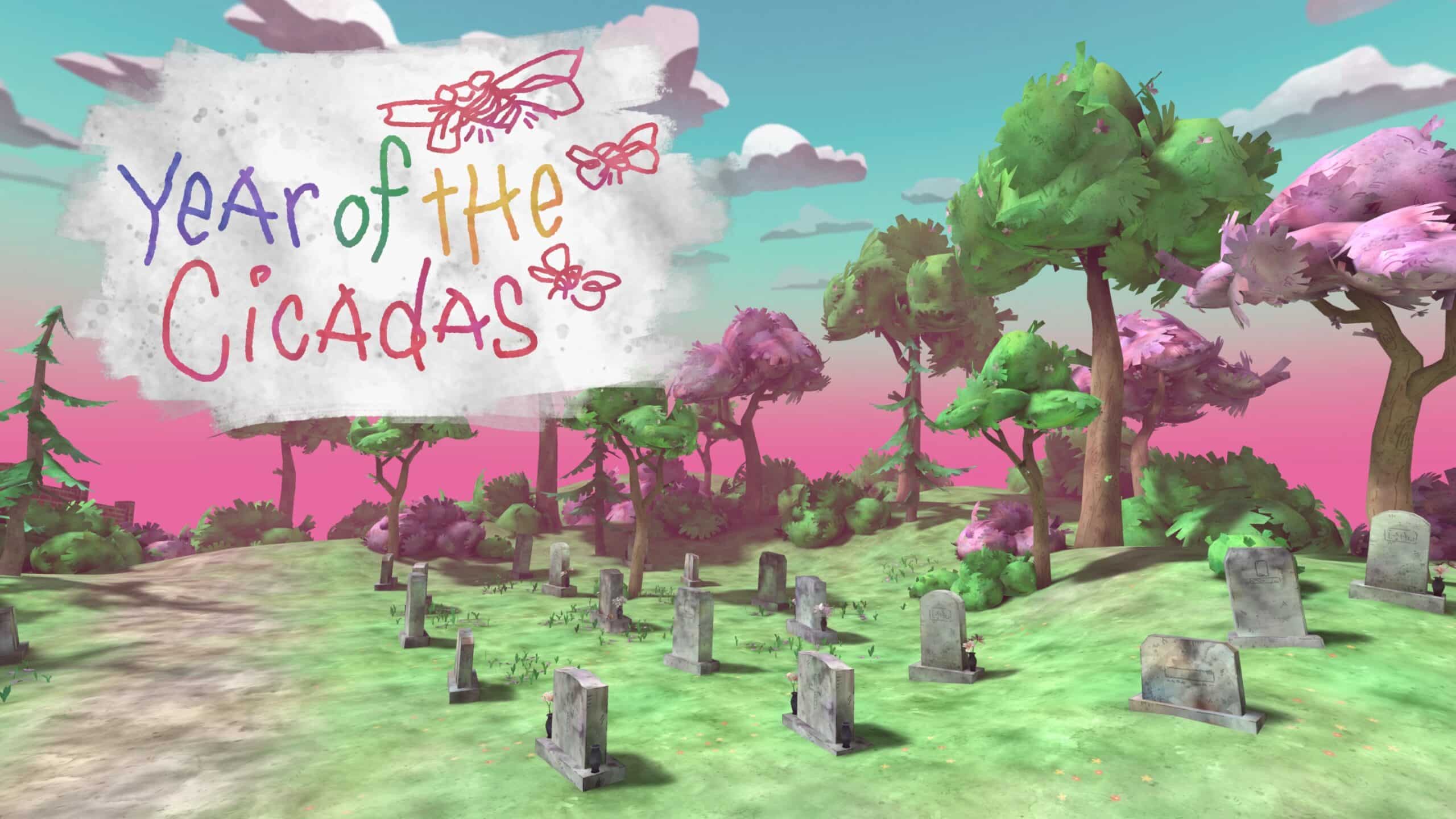
Year of The Cicadas

Organization:

Yale School of Medicine

Release Year:

The death of a child is one of the most profound and enduring forms of grief, yet it is often poorly understood by both the public and professionals. Parents navigating this loss face unique emotional challenges that can last a lifetime, and there are few opportunities for others to gain insight into their lived experience. Year of the Cicadas is an immersive virtual reality experience that explores parental grief and the ongoing process of meaning-making after the loss of a child. The experience unfolds across a seventeen-year timeline, structured around the emergence of the 17-year Brood X cicadas in 2004, which coincided with the death of the creator’s six-year-old son. Their re-emergence in 2021 provides a moment to reflect on the persistence of loss, memory, and connection over time. Players navigate scenes built from digitized personal artifacts, ambisonic cicada recordings, archival audio from the creator’s children, and original music, encountering moments that illustrate the evolving and enduring nature of parental grief. Designed using grief frameworks focused on meaning-making, narrative reconstruction, and continuing bonds, the VR experience employs audio-led storytelling and spatialized sound to immerse participants in the lived experience of bereaved parents. Built in Unity and delivered on the Meta Quest 2 and 3, the game helps medical students understand how parental grief can persist over years, while providing guidance on communicating sensitively, recognizing emotional needs, and supporting bereaved families. Year of the Cicadas is also intended for general audiences to raise awareness of the unique nature of parental grief and child loss, to encourage open conversations about this profoundly difficult topic, and to guide others in supporting bereaved parents with understanding and care.

Game Overview

Year of the Cicadas helps players understand the distinctive nature of parental grief, which research shows is often more intense, prolonged, and isolating than other types of bereavement. Players learn to recognize how words, advice, and social responses can unintentionally distance bereaved parents and how simple, thoughtful acts of support can create meaningful connections. The experience develops skills in applying grief frameworks such as meaning-making, narrative reconstruction, continuing bonds, and linking objects to better understand and support families rather than relying on traditional models that often push for finding closure. Players also gain empathy for the enduring, lifelong nature of parental grief and learn to reflect on how grief unfolds and changes over time in a way that resonates with natural rhythms such as the emergence of cicadas or the changing of seasons.

The player’s goal in Year of the Cicadas is to engage deeply with the narrative and reflect on the experiences of bereaved parents. Players become part of the story through embodied actions, such as decorating a Christmas tree with digitized ornaments from the creator’s life while listening to narration about the challenges of holidays without a child. The challenge lies in thoughtful reflection and presence within the narrative, rather than completing scores, levels, or branching dialogues, encouraging a deeper understanding of the enduring and cyclical nature of parental grief and how to support families navigating child loss.

Year of the Cicadas is primarily intended for medical students, health professionals, and members of the general public who want to better understand the long-term experience of parental grief.

Year of the Cicadas is part of a curriculum developed for teaching medical students and staff about parental grief. As part of a pilot study at Yale School of Medicine, medical students are evaluated through standardized assessments given before and after engaging with the game. The assessments include questions related to grief knowledge, attitudes, beliefs, and perceptions. Empathy and self-efficacy are also assessed. Finally, personal interviews with medical students are conducted to better understand medical students’ and staff’s experience with the game.

Game Specs

Game Engine
Operating System

Game Video

Play the video below to learn more about Year of The Cicadas